
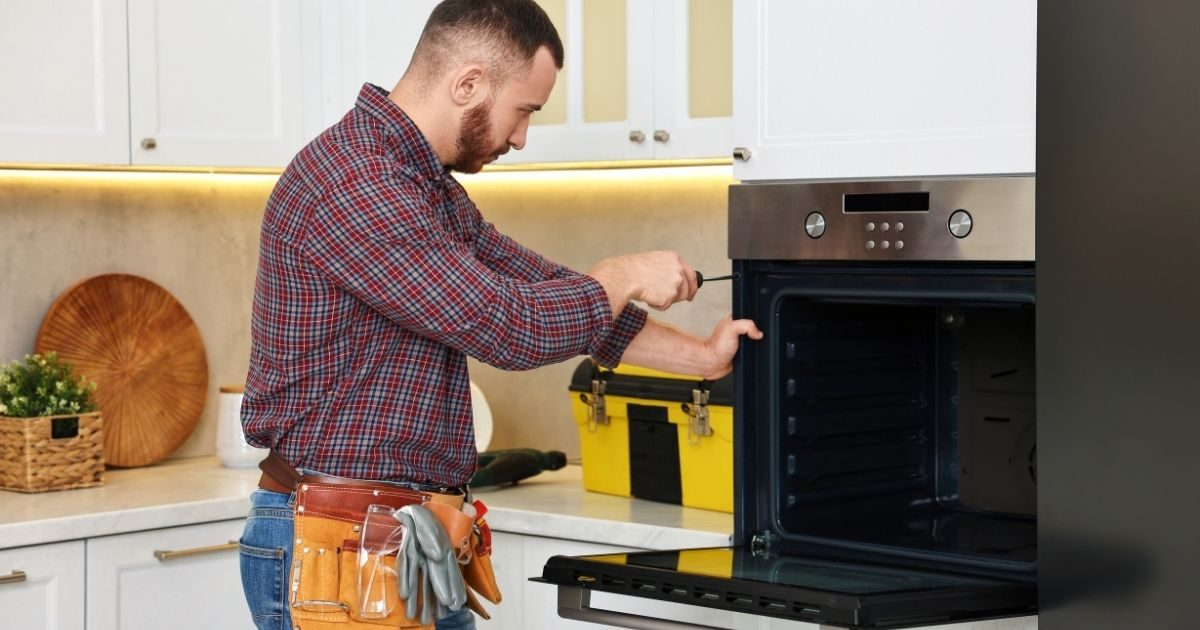
5 Most Common Oven Problems and
How to Fix Them
There is nothing quite as frustrating as preparing a meal for your family in Toronto or Calgary, only to realize your oven isn’t hitting the right temperature. Whether you are baking a tray of butter tarts or roasting a Sunday dinner, your oven is the heart of your kitchen. When it fails, your entire routine is disrupted.
At Appliance Service Canada, we understand that homeowners want quick, reliable answers. While some issues require the specialized tools of a licensed technician, many common oven problems can be addressed with a bit of troubleshooting. This guide explores the most frequent issues and their solutions to help you decide if you can handle the fix yourself or if it’s time to call in the pros.
From coast to coast, Canadian kitchens rely on brands like Whirlpool, Samsung, and LG. Understanding how these machines operate under North American electrical standards ($240V$ for electric ranges) is the first step toward successful appliance troubleshooting.
1. Oven Not Heating Properly
This is the most frequent of all common oven problems. If your oven turns on but stays lukewarm, you aren’t going to be cooking much of anything.
Symptoms: The oven takes forever to preheat, or the broiler works but the bake setting doesn’t.
Common Causes: In electric ovens, the bake element has likely burnt out. In gas ovens, a failing igniter is usually the culprit.
Step-by-Step DIY Fix: 1. Visual Inspection: Look for breaks, blisters, or “hot spots” on the heating element coil. 2. Test the Element: If you own a multimeter, check the element for continuity. 3. Replacement: Most electric elements are held in by two screws and two wire connectors. Ensure the power is completely disconnected before swapping them.
When to Call a Professional: If the elements look fine, the issue may lie with the internal wiring or the electronic control board. Learn about our oven repair services for expert diagnostics.
2. Uneven Baking or Cooking
Have you noticed that your cookies are burnt on the left but raw on the right? Uneven heat distribution is one of the common oven problems that suggest your oven’s internal environment is compromised.
Symptoms: “Hot spots” in the oven or food that requires constant rotating to cook evenly.
Temperature Calibration: Sometimes the oven is simply uncalibrated. You can test this by placing an independent oven thermometer in the center of the rack. If the oven display says 350°F but the thermometer reads 325°F, you may need to adjust your settings (check your manual for “calibration mode”).
Convection Fan Issues: In many Canadian homes, convection ovens are standard. If the fan isn’t spinning, the hot air won’t circulate. Check for obstructions like a stray piece of foil blocking the blades.
DIY Tip: Ensure your oven racks are positioned correctly for the type of dish you are making; improper rack height is a common “non-technical” cause of uneven cooking
3. Oven Door Won’t Close Properly
A door that doesn’t seal isn’t just a nuisance; it’s a safety hazard and a waste of energy. Heat escaping the oven can melt your kitchen cabinet finishes and ruin your control knobs.
Seal Inspection: Check the rubber or fiberglass gasket around the door. If it is cracked, brittle, or torn, heat will escape. These are easily replaced by pulling the old gasket out of its track and pressing a new one in.
Hinge Alignment: Over time, the hinges can become sprung or misaligned due to the weight of the door.
DIY Fix: Check if the hinges are saturated with grease. A deep clean with a degreaser can sometimes restore movement. If the hinges are bent, they will need to be replaced to solve these common oven problems.
Warning: Oven door springs are under high tension. Handle with care to avoid injury.
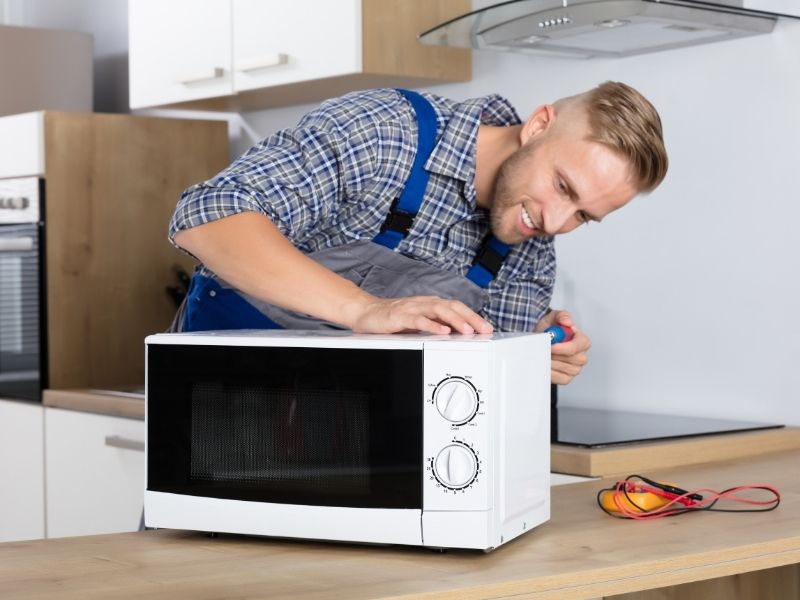
4. Strange Noises During Operation
While ovens are generally quiet, new sounds can be alarming. Understanding these noises is key to a successful DIY oven fix.
Fan Noises: A buzzing or grinding sound usually points to the convection fan or the cooling fan. If the bearings are worn, the noise will get louder over time.
Popping Sounds: This is often the sound of metal expanding, which is normal. However, loud “cracks” could indicate a failing heating element about to break.
Electrical Humming: A constant hum when the oven is off could indicate a faulty transformer or control board.
Canadian Consideration: During our dry winters, static and dust buildup can affect fan motors. A quick vacuuming of the rear vents (with power off) can sometimes solve the noise.
5. Error Codes and Display Issues
Modern ovens are smarter than ever, but that means they have more “brain” problems. Digital displays are your first line of communication when identifying common oven problems.
Common Codes: Codes like F1, F3, or E1 vary by brand (KitchenAid, Maytag, Bosch). Generally, “F” codes refer to a failed component or sensor.
Reset Procedure: The “Canadian Reboot” works for many appliances. Turn off the oven’s circuit breaker in your electrical panel for 10 minutes. This can clear “ghost” errors in the control board.
Control Board Troubleshooting: If the display is blank but the oven has power, the control board may have suffered a solder joint failure or a blown thermal fuse.
Safety First: When to Call a Professional
While we encourage DIY maintenance for minor oven problems and solutions, your safety is the priority. Some repairs are inherently dangerous for non-professionals.
Electrical Warnings: If you suspect a short circuit or see sparks, stop immediately. 240-volt systems carry enough current to be fatal.
Gas Precautions: In Canada, working on gas lines requires specific provincial certification. If you smell gas (rotten eggs), leave the house and call an emergency line.
Internal Wiring: If you have to pull the oven out and open the back casing, you are entering territory where a professional oven repair Canada specialist is needed.
For fast, expert help, contact Appliance Service Canada. We provide factory-authorized service for all major brands, ensuring your repair is done to Canadian safety standards.
Conclusion
Navigating common oven problems doesn’t have to be overwhelming. By identifying issues like failing elements, worn gaskets, or dirty fans early, you can save hundreds of dollars in repair bills and extend the life of your appliance.
Remember, the best way to avoid a breakdown is regular maintenance. Keep your oven cavity clean, avoid using the “Self-Clean” cycle right before a major holiday (it’s a common time for boards to fail!), and always ensure your door seal is tight. If your oven is still giving you trouble, the team at Appliance Service Canada is just a phone call away.